

The concept of independent living in one's golden years carries an undeniable charm. It represents autonomy, a lifetime of earned freedom and the comfort of familiar surroundings steeped in memories. However, beneath the quiet dignity of a solitary home often lies a complex emotional landscape that is rarely discussed openly. As modern societal dynamics shift and families become increasingly nuclear and geographically scattered, our elders frequently find themselves managing the quiet spaces of empty homes entirely on their own. Balancing this desired freedom with the inevitable vulnerabilities of aging introduces profound psychological hurdles. Recognizing these underlying shifts is the initial step toward fostering true well-being, which is why exploring comprehensive senior care services in India can reveal meaningful avenues for emotional and physical reassurance, transforming isolation into a period of supported independence.
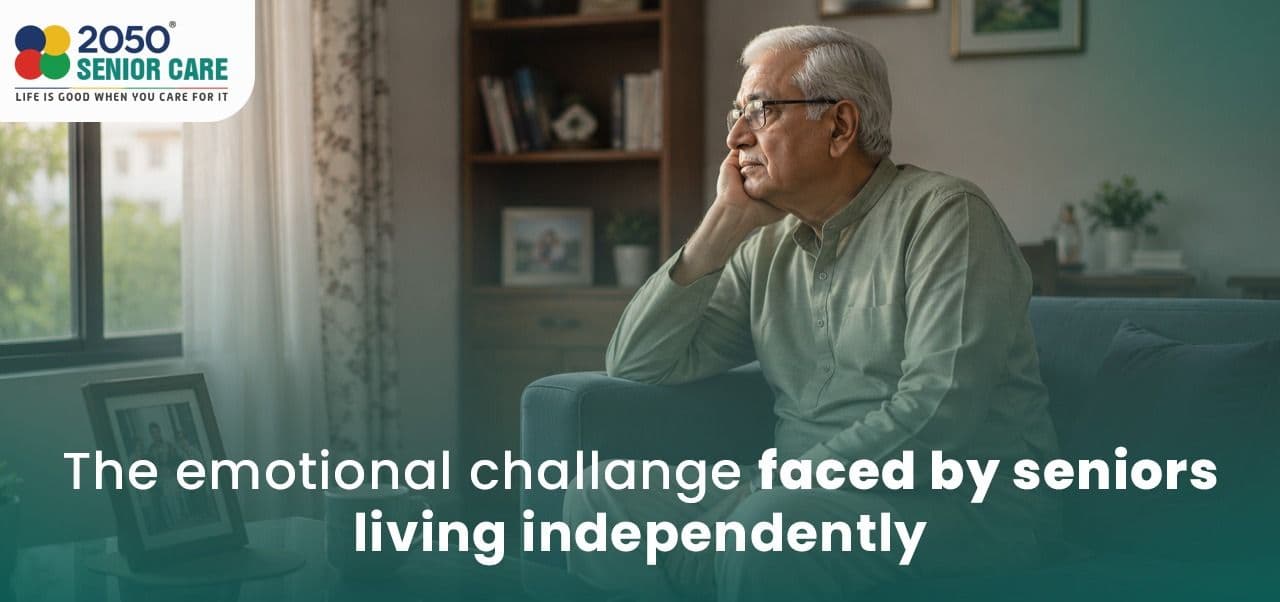
Among the most pressing emotional struggles faced by independent seniors is the silent onset of chronic loneliness and social isolation. Human beings are inherently social, yet aging often shrinks social circles due to retirement, the loss of peers and limited mobility. According to global psychological studies published by organizations like the World Health Organization and research insights from the National Institute on Aging, prolonged loneliness in older adults can be as detrimental to health as smoking or physical inactivity, drastically increasing the risks of depression and cognitive decline. When days pass without meaningful conversation, the silence of a house becomes heavy, turning the sanctuary of a home into a psychological cage. This emotional vacuum makes it incredibly difficult for seniors to maintain an optimistic outlook on life, amplifying minor physical discomforts into major sources of emotional distress.
Hidden Burden of Loneliness
One of the most common emotional challenges faced by seniors living independently is loneliness. Unlike occasional solitude, loneliness is a persistent feeling of isolation that can deeply affect mental and physical health. As social circles shrink due to retirement, relocation, or the loss of friends and spouses, many seniors find themselves spending long hours without meaningful interaction. Conversations that once happened naturally with colleagues, neighbors, or family members become infrequent. Over time, this lack of connection can create feelings of sadness and emotional emptiness.
Research by the WHO highlights the significant impact of social isolation on older adults, while studies from the National Institute on Aging emphasize the importance of social engagement for healthy aging. These findings reinforce the need for regular emotional support and meaningful human interaction in later life.
Fear of Losing Independence
For many seniors, independence is closely tied to their identity. The thought of becoming dependent on others can trigger anxiety and stress. Even minor health concerns may lead to worries about future limitations and the possibility of requiring constant assistance.
Simple questions often linger in their minds:
- What if I fall and no one is around to help?
- What if my health suddenly deteriorates?
- Will I have to leave my home someday?
These concerns can create a continuous state of emotional tension. Seniors may hesitate to discuss these fears with family members because they do not want to become a burden. This is where professional elderly care services India play a valuable role. By providing assistance tailored to individual needs, these services help seniors maintain autonomy while offering reassurance that support is available whenever required.
Coping with Grief, Loss, and Changing Relationships
Aging often brings significant life transitions. The loss of a spouse, siblings, close friends or longtime neighbors can create profound emotional distress. Unlike younger individuals who may have expanding social networks, seniors often experience a gradual reduction in their support circles.
The grief associated with these losses is not limited to people alone. Seniors may also mourn the loss of physical abilities, professional identities or lifestyles they once enjoyed. Retirement, for instance, can bring a sense of freedom but may also leave individuals feeling disconnected from their purpose and social identity.
According to the American Psychological Association, adapting to major life changes requires emotional resilience and supportive social environments. Many seniors benefit from structured engagement programs, counseling and community activities that help them rebuild meaningful connections.
Families can also support emotional well-being by staying actively involved. Regular visits, video calls and participation in important life events can make a tremendous difference. Similarly, services offered through 2050 Healthcare Senior Care can provide companionship and emotional support that complements family involvement.
Anxiety, Uncertainty and the Need for Security
Living alone often means managing every aspect of daily life independently. While many seniors do this successfully, the responsibility can sometimes feel overwhelming. Financial concerns, medical emergencies, household maintenance and personal safety can all become sources of anxiety. Even when no immediate problem exists, the anticipation of potential challenges may lead to chronic stress.
For example, seniors may worry about:
- Medical emergencies occurring when they are alone.
- Managing medications correctly.
- Handling unexpected household issues.
- Maintaining financial stability.
- Navigating technology and digital services.
These worries can gradually affect sleep quality, confidence and overall emotional health. Fortunately, modern support systems are helping address these concerns. Many assisted living facilities in India and home-based care programs are designed to provide security without compromising personal freedom. Seniors gain access to healthcare assistance, emergency support and daily living resources while continuing to enjoy independence and dignity.
Building Emotional Well-Being Through Community and Care
The emotional challenges associated with independent living do not mean seniors must sacrifice their independence. Instead, they highlight the importance of creating supportive environments that encourage connection, engagement and purpose. Today, many senior living communities in India are designed to foster social interaction while respecting personal space and autonomy. These communities provide opportunities for seniors to participate in recreational activities, cultural events, wellness programs, and peer interactions that enrich daily life.
Similarly, family members can encourage emotional well-being by:
- Maintaining regular communication.
- Encouraging participation in social activities.
- Supporting hobbies and lifelong interests.
- Promoting physical activity and wellness.
- Seeking professional support when needed.
A strong support network can significantly reduce feelings of isolation and improve overall quality of life. Emotional wellness is not simply the absence of loneliness; it is the presence of purpose, belonging and meaningful relationships.
Living independently is a meaningful choice for many seniors, offering freedom, dignity and personal fulfillment. However, beneath this independence often lie emotional challenges such as loneliness, grief, anxiety, and fears about the future. Recognizing these struggles is the first step toward creating a healthier and more supportive aging experience through senior care plans.
With compassionate support, regular social engagement and access to professional care, seniors can continue to enjoy independent living while maintaining emotional well-being. Whether through family involvement, community participation, or specialized senior care services, every senior deserves the opportunity to age with confidence, connection, and peace of mind.